What was true
The useful problem was operational, not cosmetic
The important work was not more presentation polish for its own sake. The recurring pain was in the workflows affecting how the business actually ran.
Silly Farm case study
Silly Farm matters because it shows the kind of work Loving Art is actually built to do: contained fixes inside real order flow, real customer pressure, and systems that already have to keep moving.
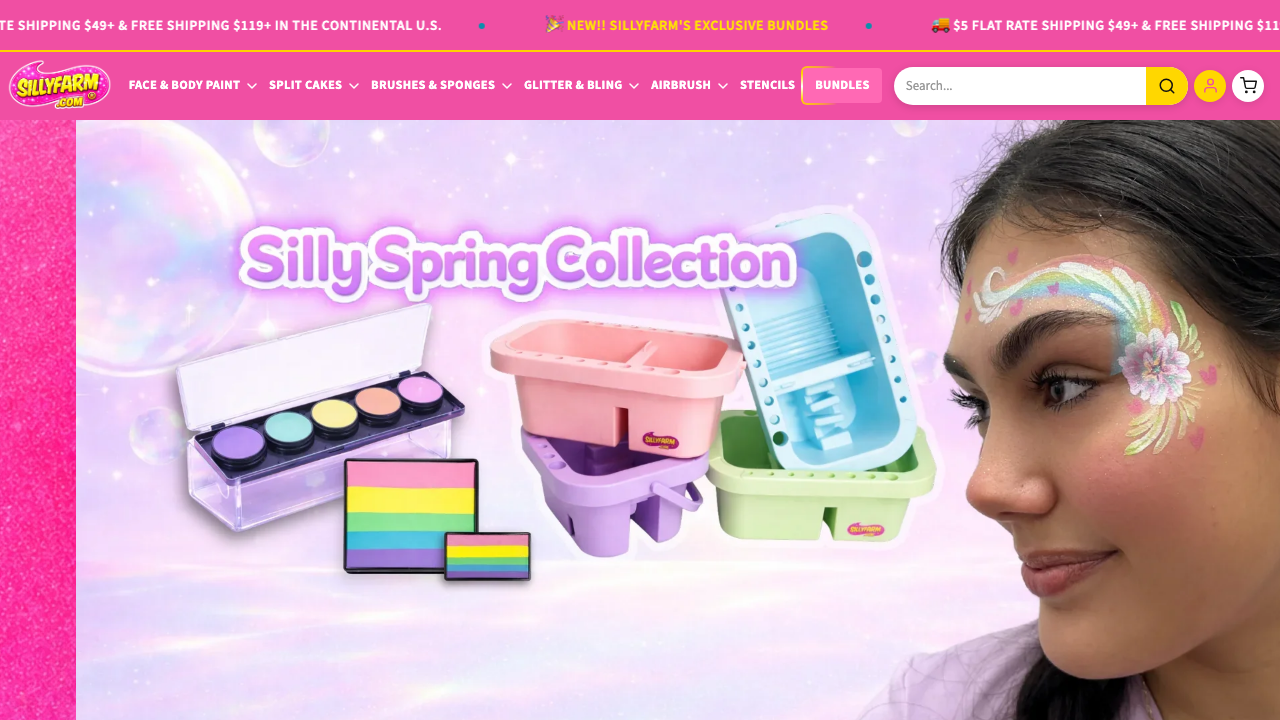
Business context
The value here is not confidential internal detail. It is proof that Loving Art can improve a working commerce business without turning the job into a bigger reinvention than it needs.
Business type: established Shopify commerce business
Operating pressure: live orders, customer support, and multiple moving parts
Constraint: the work had to help in practice without becoming a giant reinvention
Why it matters: proof that Loving Art can work inside real complexity with contained scope
What was true
The important work was not more presentation polish for its own sake. The recurring pain was in the workflows affecting how the business actually ran.
What was true
This was not a greenfield project. Changes had to respect an active commerce operation where customer experience, internal ownership, and practical reliability mattered immediately.
What was true
The right answer was to tighten the layer creating friction instead of inflating the engagement into a larger rebuild just to make the story sound bigger.
What changed
The work focused on practical systems support, customer-facing clarity, and cleaner operational flow inside a business already under live load.
What changed
The direction of travel was toward cleaner handoffs, less manual babysitting, and a setup the business could continue to own after delivery.
What changed
Contained work builds more trust here than inflated storytelling. The point is not to claim a giant transformation. The point is to show practical repair under real conditions.
Why it matters
This is most relevant to stores that already have demand, but are still carrying too much friction in follow-up, ownership, or customer-path clarity.
Why it matters
The case study matters because it shows the working posture: identify the leak, repair the right layer, and keep the scope defensible.
Best next step
The same principle applies more broadly: identify the point where the workflow keeps creating drag, scope the repair clearly, and improve the right layer without bloating the engagement.